

Vessel Medical Compliance Guide
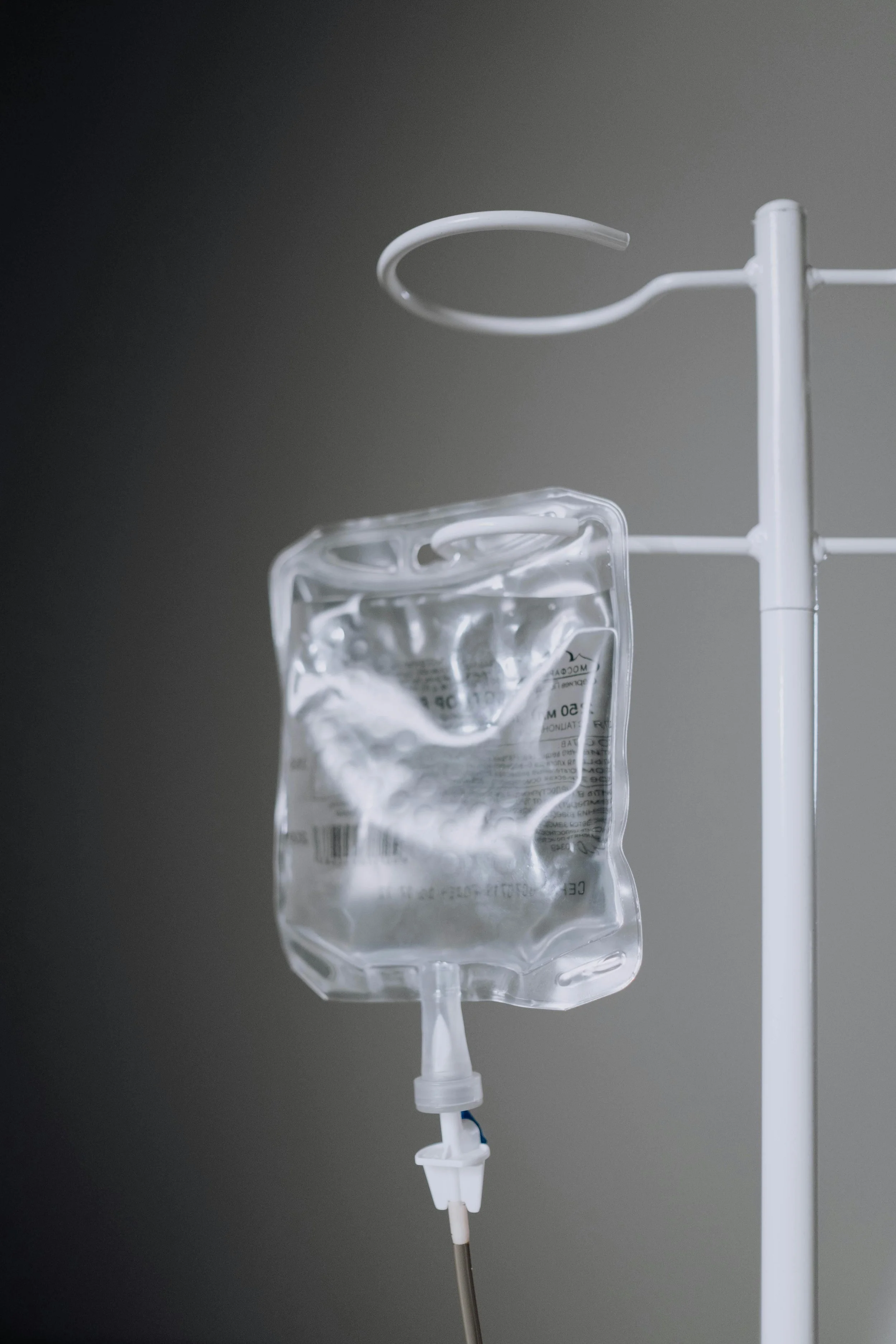
Ensuring vessels are prepared to manage medical emergencies at sea
Medical preparedness onboard vessels is a critical component of safe maritime operations. When a medical emergency occurs at sea, the crew must be able to respond effectively using the medical equipment, procedures and training available onboard until professional medical assistance becomes accessible.
Ensuring that vessels meet appropriate medical preparedness standards helps protect crew welfare, support operational safety and reduce risks during maritime operations.
This guide outlines key elements that contribute to effective vessel medical compliance and emergency preparedness.

Crew Medical Preparedness
Medical equipment alone is not sufficient to ensure effective emergency response. Crew members must also be trained and confident in managing medical incidents.
Crew preparedness may include:
basic first aid training
familiarisation with onboard medical equipment
participation in emergency drills
understanding emergency medical procedures
Regular practice and training help crews respond more effectively when real incidents occur.
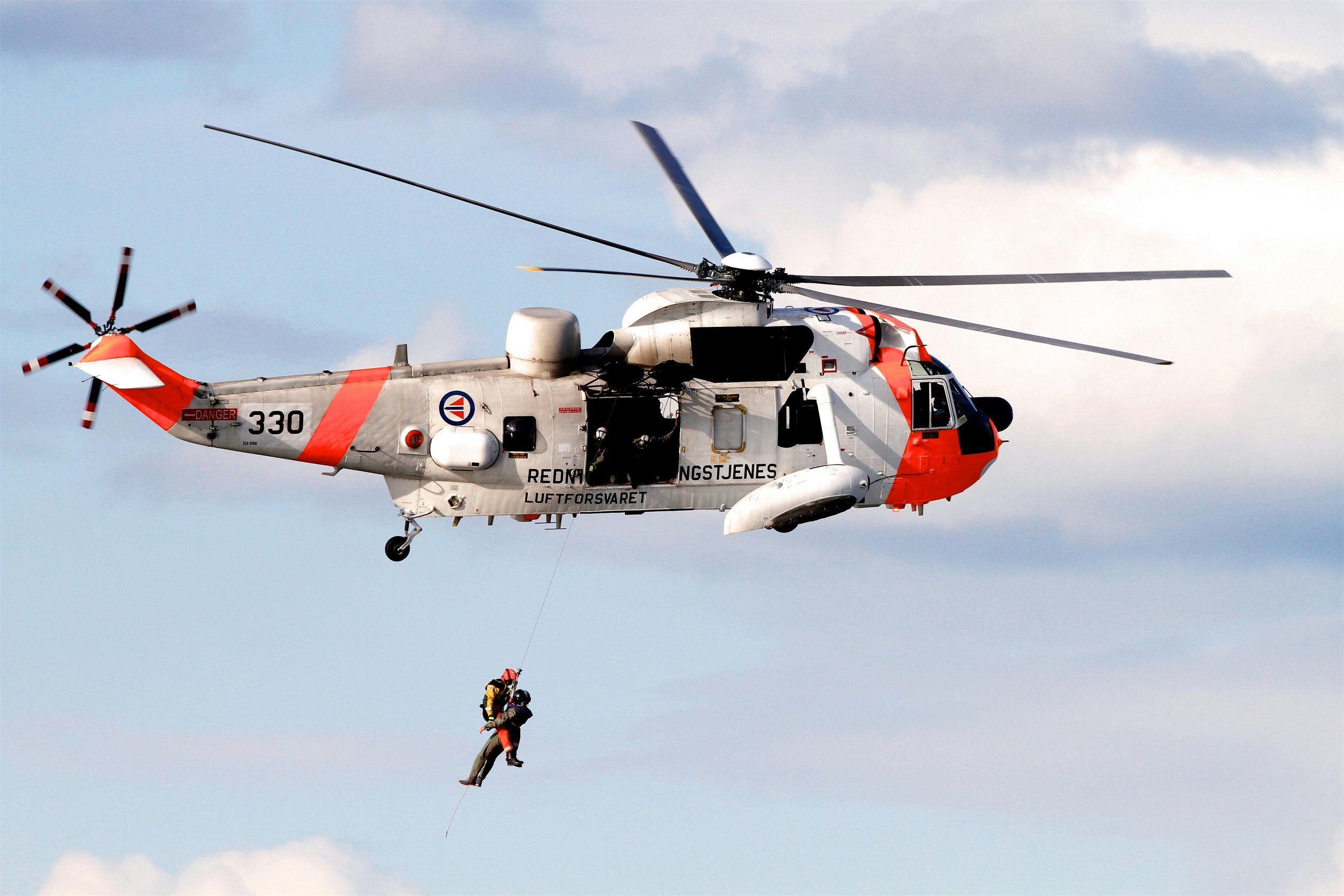
Medical Stores and Equipment
Every vessel should carry appropriate medical supplies and equipment to manage injuries and illnesses that may occur during operations.
Medical stores should be:
clearly organised and accessible
regularly inspected and maintained
appropriate for the vessel’s operational risks
familiar to crew members responsible for emergency response
Even when vessels carry the correct medical equipment, incidents may still be difficult to manage if the crew are unfamiliar with its location or use.
Regular checks and reviews help ensure that medical equipment remains ready for use during emergencies.
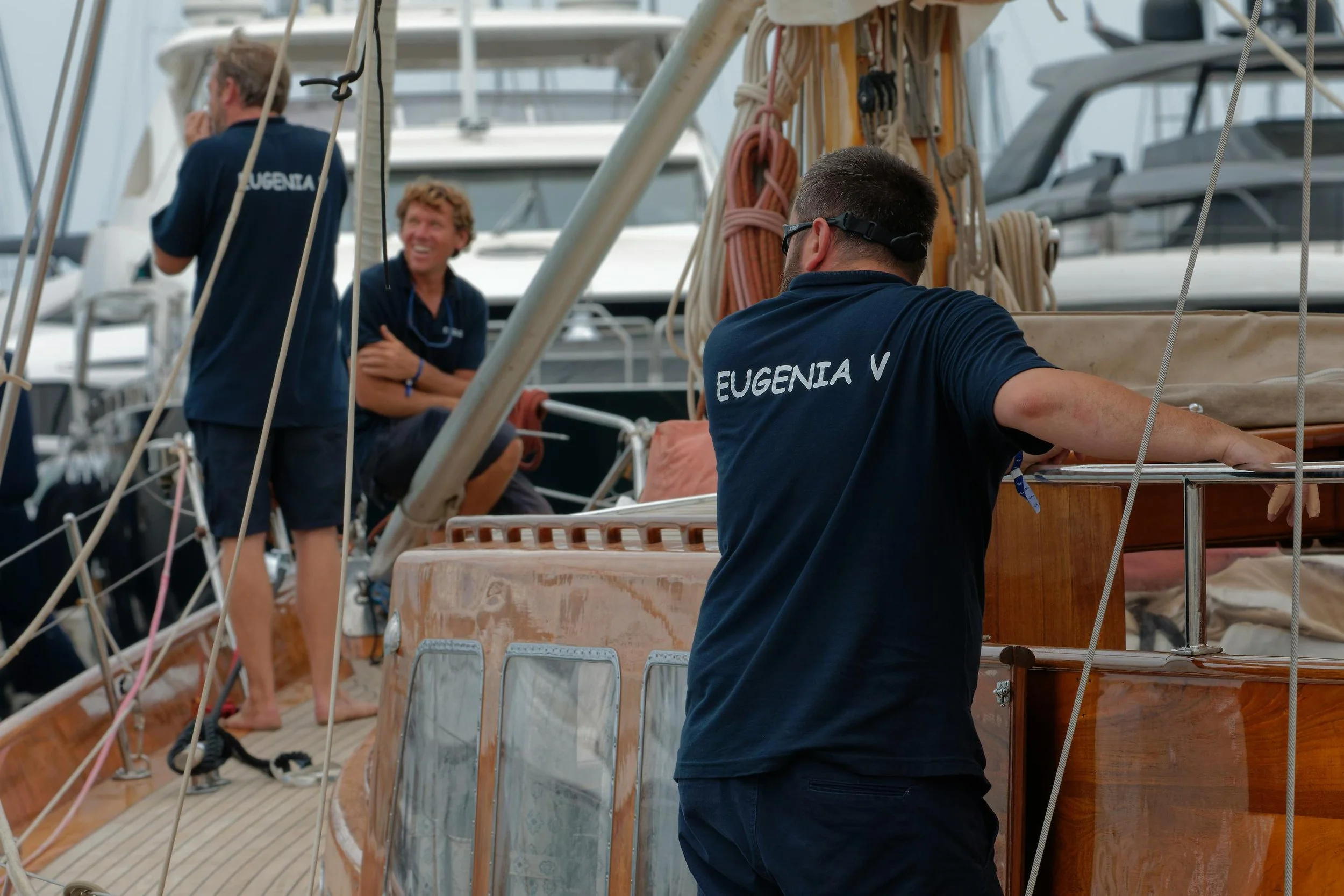
Emergency Medical Procedures
Clear procedures are essential to guide crews during medical emergencies. These procedures help ensure that actions are coordinated and that the casualty receives appropriate care as quickly as possible.
Emergency procedures should include:
casualty assessment steps
communication with shore-based medical advice services
stabilisation and monitoring of the casualty
evacuation procedures if required
Having well-documented procedures helps crews respond quickly and confidently during incidents.